
Inside
Spaces
Andre's voice notes
on spaces he's found
for hobbyists
Listen to host André Brathwaite share voice notes on what he's found online: spaces worth stepping into and experiencing your hobby in person.
Some are open to all, some are members-only, all are built by brands that extend beyond the products they make.
Find your episode:
By Hobby
- For Badminton
- For Beekeeping
- For Birdwatching
- For Chocolate Tasting
- For Cigar Smoking
- For Climbing
- For Coffee Brewing
- For Coffee Tasting
- For Collecting
- For Cycling
- For Drawing
- For Driving
- For Exploring
- For Film Enthusiasts
- For Fitness
- For Fly Fishing
- For Food Enthusiasts
- For Formula 1 Enthusiasts
- For Frescobol
- For Glassmaking
- For Golfing
- For Guitar Playing
- For Handwriting
- For Hiking
- For Hunting
- For Jewelry Making
- For Model Building
- For Motorcycling
- For Nature Observing
- For Photography
- For Piano Playing
- For Polo
- For Running
- For Scuba Diving
- For Slacklining
- For Stargazing
- For Table Tennis
- For Tea Brewing
- For Tequila Enthusiasts
- For Video Gaming
- For Volunteering
- For Walking
- For Weightlifting
- For Whisky Enthusiasts
- For Wine Tasting
- Recap
- Recreational Cycling
- Recreational Exploring
- Recreational Gardening
- Recreational Interior Designing
By Brand
- A24
- Angostura
- Audubon
- Babylonstoren
- Camper
- Caran d'Ache
- Casa Dragones
- Cohiba
- Concha y Toro
- Corning
- Country | Barbados
- Disney
- Eataly
- Ferrari
- Field and Stream
- Flow Hive
- Frescobol Carioca
- Fujifilm
- Gibbon Slacklines
- Gibson
- Gymshark
- Harley-Davidson
- Johnnie Walker
- Jose Cuervo
- LEGO
- La Martina
- La Marzocco
- Leica
- Lindt
- Mariage Frères
- Merrell
- Montblanc
- National Geographic
- Nintendo
- Orvis
- Osulloc
- Oysho
- PADI
- Patagonia
- Porsche
- Rapha
- Scarpa
- Starbucks Reserve
- Steinway & Sons
- Stiga
- Swarovski
- Swarovski Optik
- Titleist
- Top Five Backstories
- Top Five Episodes
Most listened →
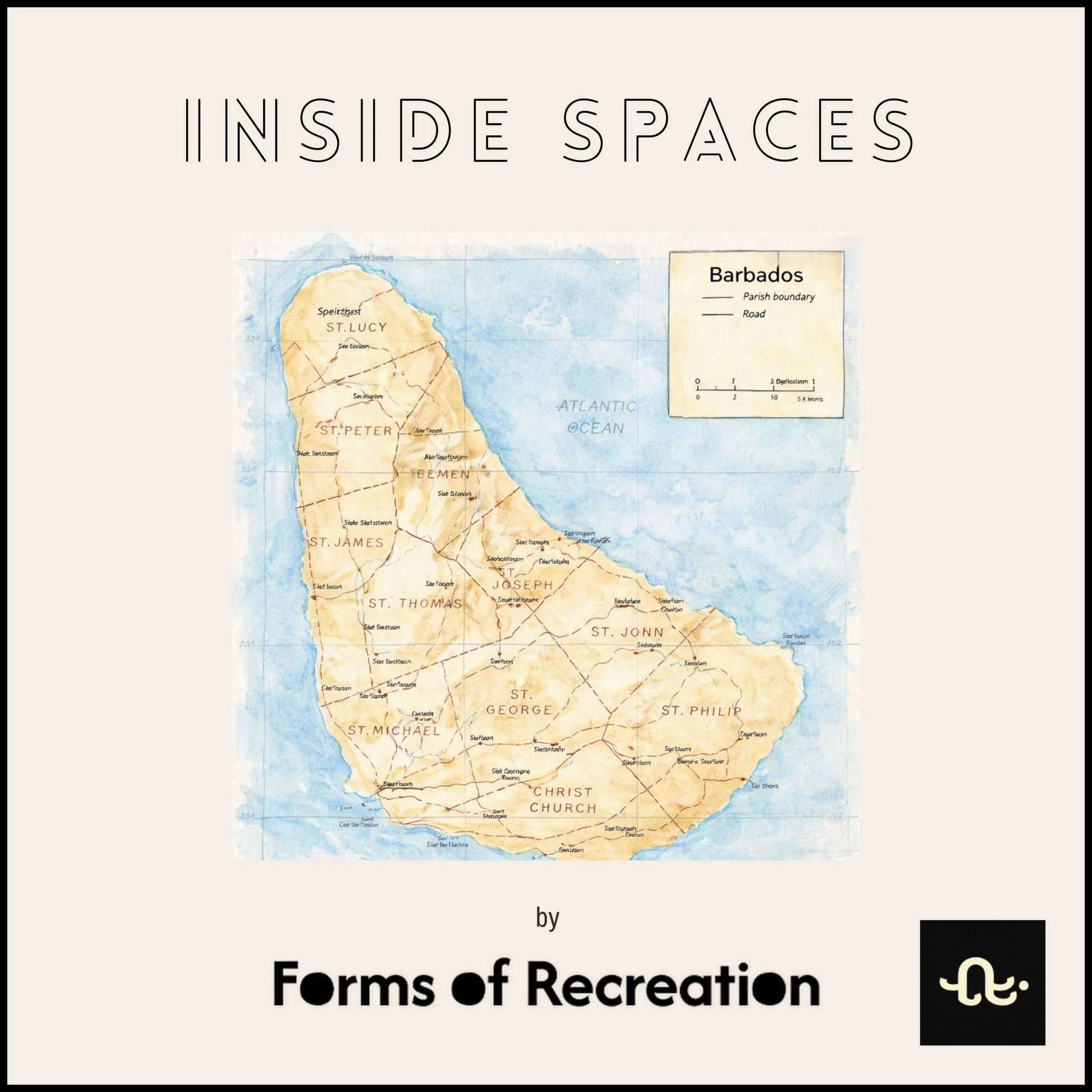
#66. Andre’s Notes → Barbados, Part 1
Listen to André Brathwaite, podcast host of Inside Spaces by Forms of Recreation, share his notes on a country travelers can visit and experience what it has to offer. In Part 1, he shares how centenarians are celebrated in Barbados and highlights that recreation contributes to living a long life.
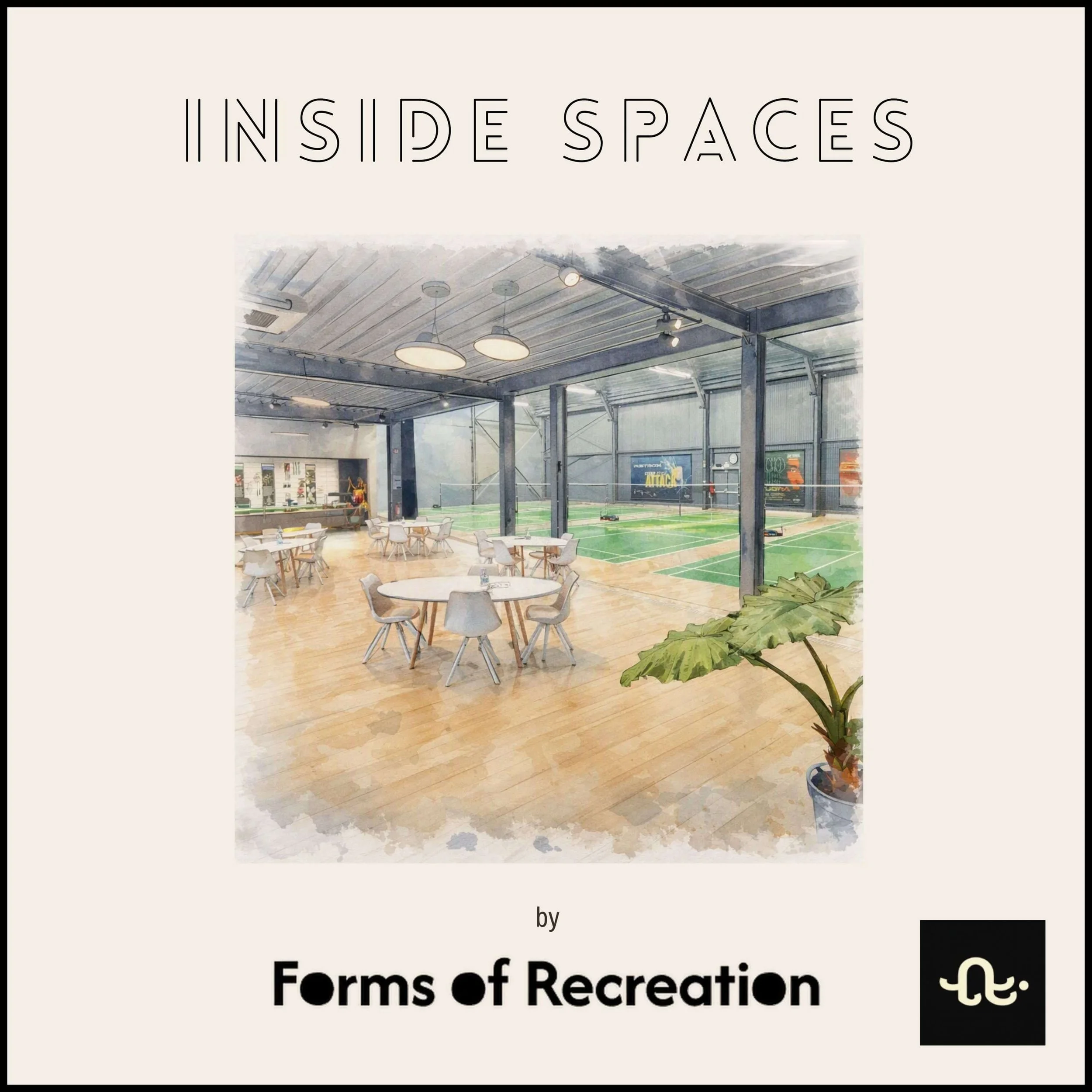
#65. Andre’s Notes → Yonex® Center, Belgium
Listen to André Brathwaite, podcast host of Inside Spaces by Forms of Recreation, share his notes on a space for badminton players to step into and go beyond the products Yonex makes.

#64. Andre’s Notes → Fujifilm® House of Photography
Listen to André Brathwaite, podcast host of Inside Spaces by Forms of Recreation, share his notes on a space for photographers to step into and go beyond the products Fujifilm makes.
#63. Announcement → A Radio DJ Turned Researcher
Listen to André Brathwaite, podcast host of Inside Spaces by Forms of Recreation, share a fun fact about himself and what he wishes to learn from listeners so that the podcast can go from good to great.
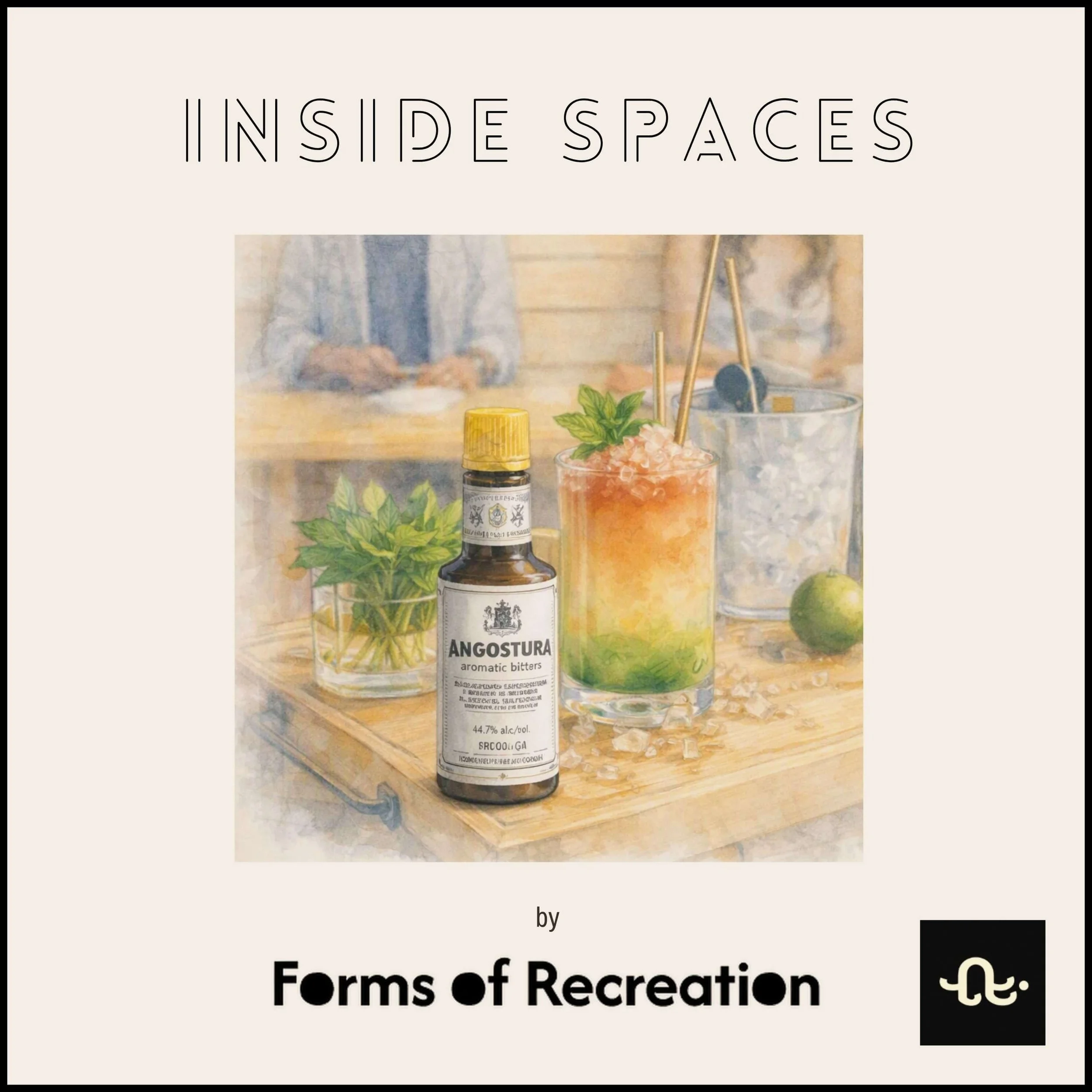
#62. Andre’s Notes → House of Angostura®
Listen to André Brathwaite, podcast host of Inside Spaces by Forms of Recreation, share his notes on a space for cocktail-making enthusiasts to step into and go beyond the products Angostura makes.

#61. Andre’s Notes → Vipp® Guesthouses
Listen to André Brathwaite, podcast host of Inside Spaces by Forms of Recreation, share his notes on a space for interior decorating enthusiasts to step into and go beyond the products Vipp makes.
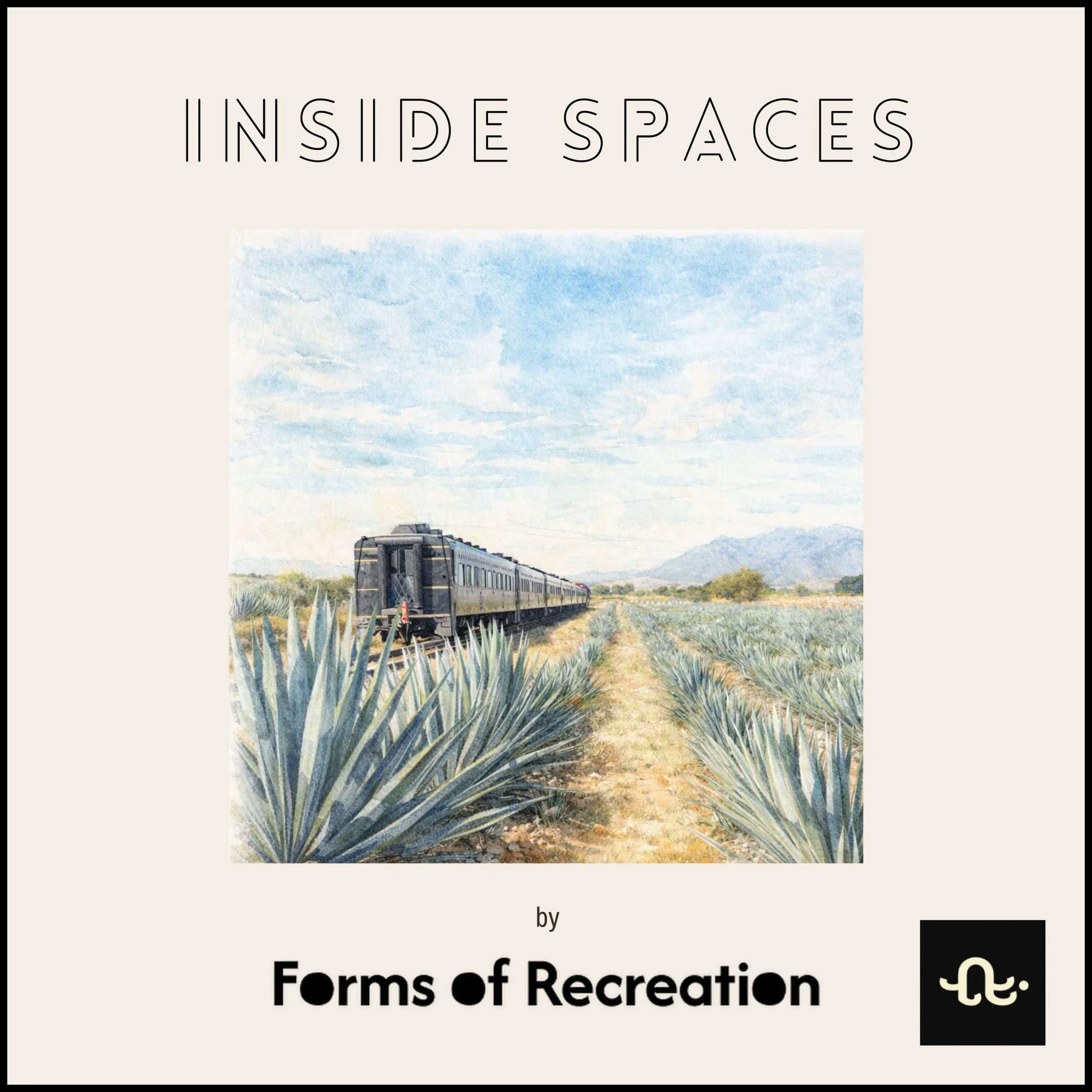
#60. Andre’s Notes → Jose Cuervo® Express
Listen to André Brathwaite, podcast host of Inside Spaces by Forms of Recreation, share his notes on a space for tequila enthusiasts to step into, extending beyond the products Jose Cuervo makes.

#59. Andre’s Notes → National Geographic® Museum of Exploration
Listen to André Brathwaite, podcast host of Inside Spaces by Forms of Recreation, share his notes on a space for nature, science, and cultural enthusiasts to step into and go beyond the products National Geographic makes.
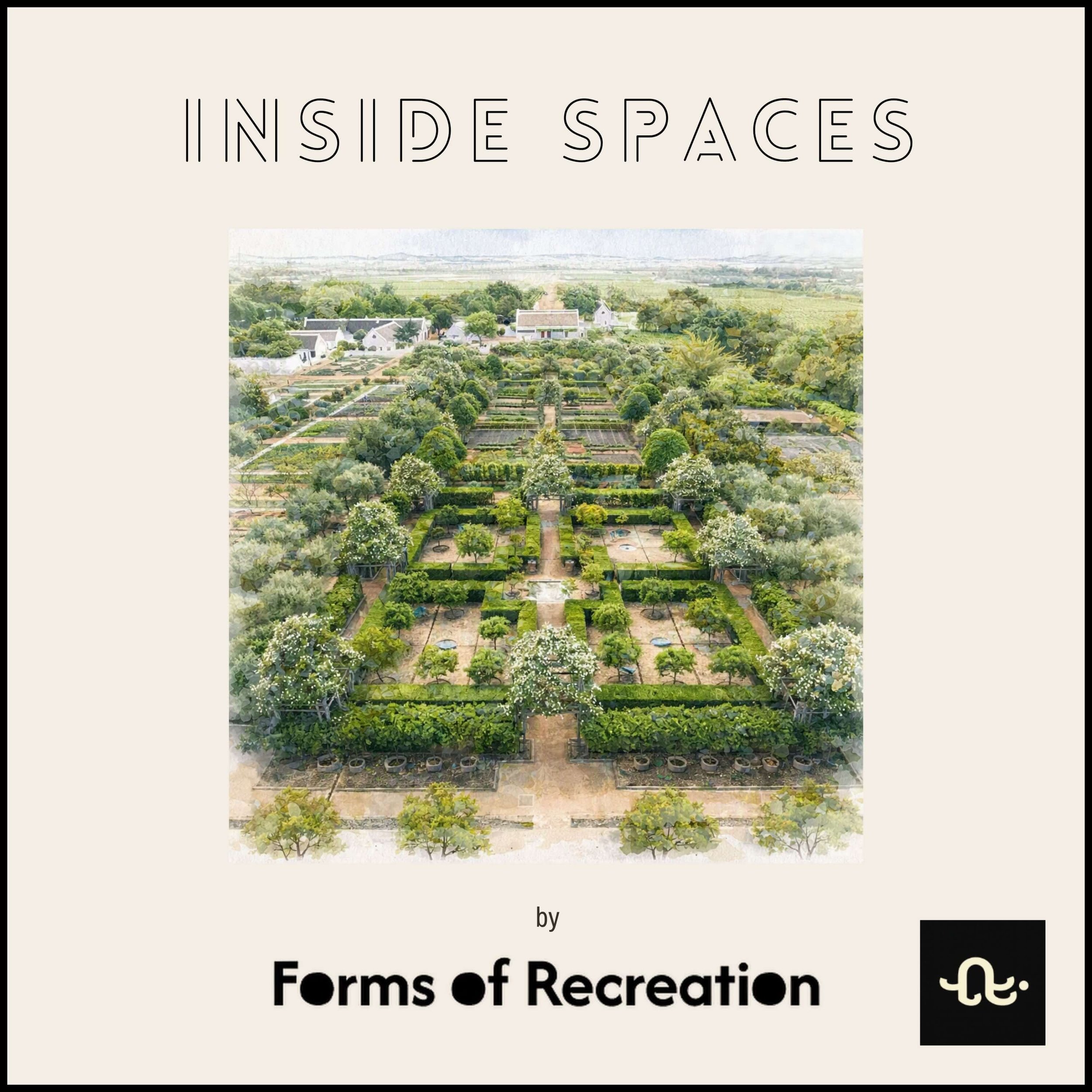
#58. Andre’s Notes → Babylonstoren® Garden
You’ve probably heard of Babylonstoren, a winery founded in South Africa in 1692.
Listen to André Brathwaite, podcast host of Inside Spaces by Forms of Recreation, share his notes on a space for gardening hobbyists to step into that goes beyond the products Babylonstoren makes.
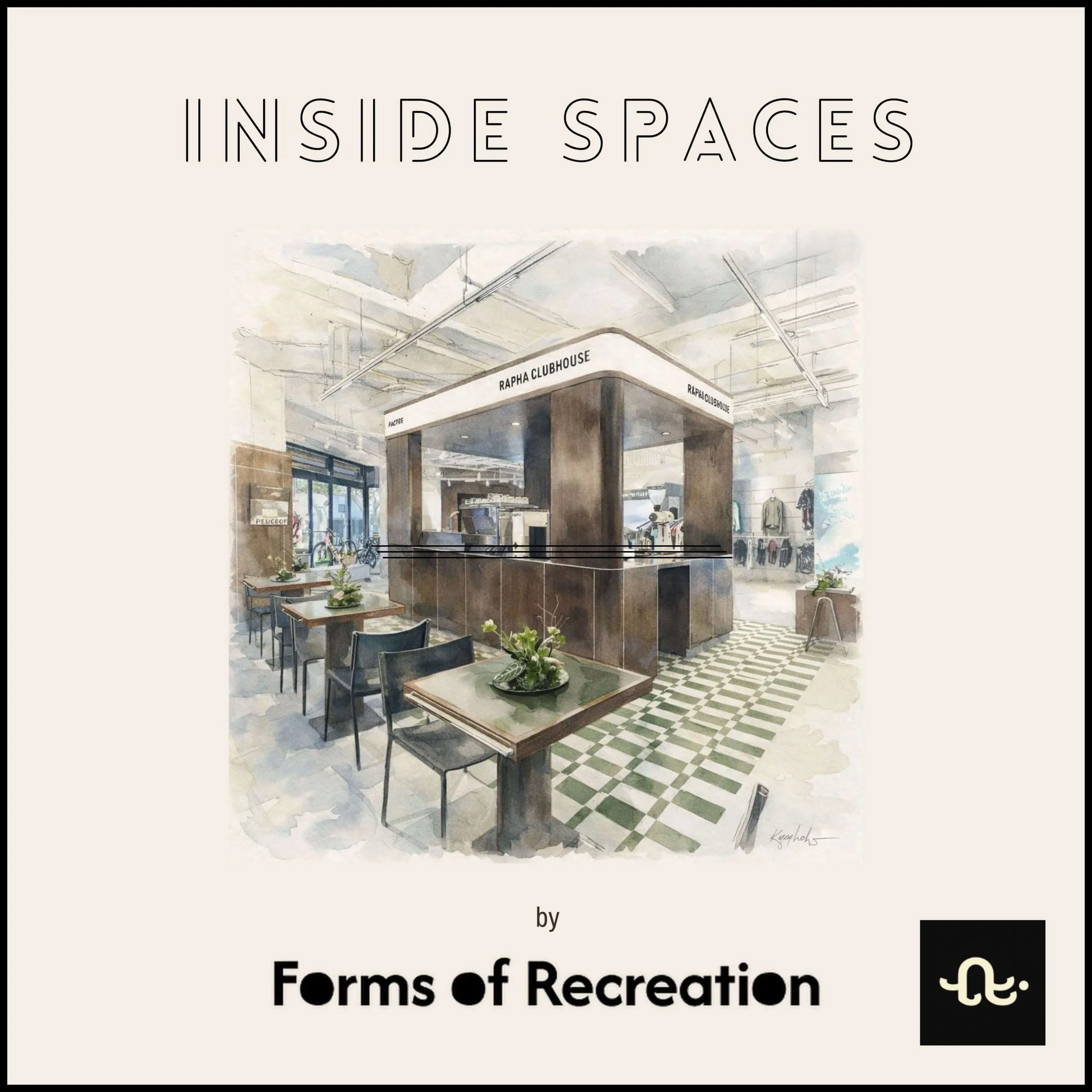
#57. Andre’s Notes → Rapha® Clubhouse Shanghai
You’ve probably heard of Rapha, the cycling apparel brand founded in England in 2004.
Listen to André Brathwaite, podcast host of Inside Spaces by Forms of Recreation, share his notes on a space for cycling hobbyists to step into that goes beyond the products Rapha makes.

#56. Back To The Start
In this episode, founder and host, André Brathwaite, gets vulnerable about the challenges he has faced while building Forms of Recreation.
#55. Voice of the Customer → We Are Bored
In this episode, we talk about how brands can help adults shift from using their phones to satisfy boredom to engaging in enjoyable hobbies. Marketing teams, this episode is for you. And for adults, this is for you too.
Listen to André Brathwaite, podcast host of Inside Spaces by Forms of Recreation, share his notes on a country travelers can visit and experience what it has to offer. In Part 1, he shares how centenarians are celebrated in Barbados and highlights that recreation contributes to living a long life.